MACHINE SELECTION
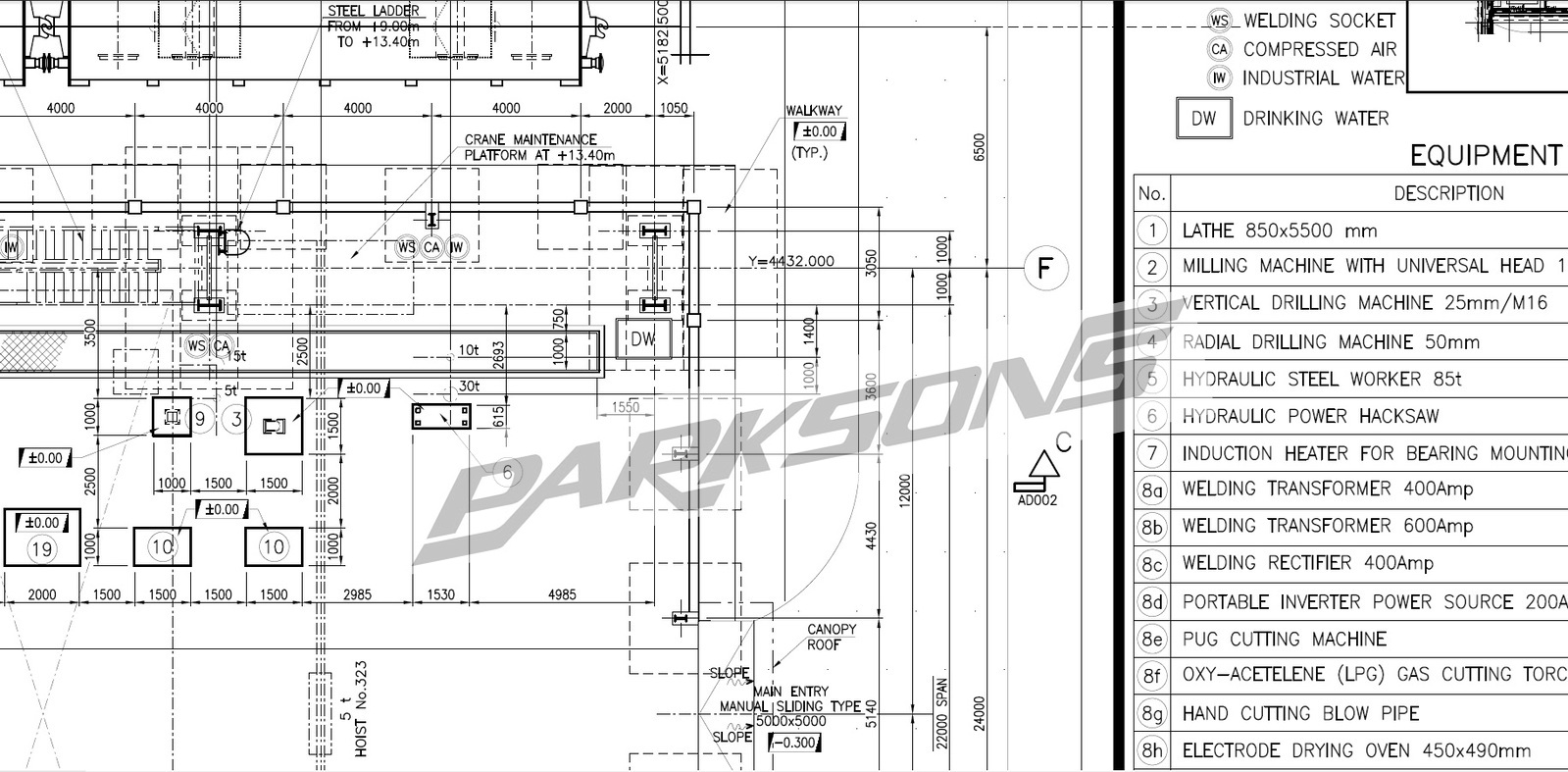
Why Machine Selection Depends on Workshop Role
Getting workshop machine decisions right across production, fabrication, and maintenance works best when these roles are made explicit early, rather than assumed later.
Production-Focused Support vs Maintenance & Repair Support
| Decision Factor | Production-Focused Support | Maintenance & Repair Support |
|---|---|---|
| Primary Value | Rigidity and repeatability for batch work | Setup time and accessibility for diverse tasks. |
| Operational Priority | Duty cycle and headline ratings | Ease of alignment and tolerance to shop conditions |
| Workflow Logic | Logical grouping for process flow | Clear access for varied material handling |
| Acceptance Criteria | Performance against fixed output benchmarks | Robustness and long-term serviceability |
Start with the role of the workshop
Before listing machines, it helps to agree on:
- the type of work the machines are expected to repeatedly support
- the level of accuracy, robustness, and capabilities expected
- whether the focus is production support, fabrication or repair-intensive work
Different roles place different demands
Production support, fabrication, and maintenance value different attributes:
- rigidity and repeatability
- setup time and accessibility
- tolerance to real shop conditions
Flexible work benefits from workflow thinking
Workshops do not run like production lines, but they still benefit from:
- logical grouping of machines
- clear access and material-handling layouts
- appropriate ancillary machines, instruments, and tools
Usage matters more than headline ratings
Dimensions and speeds are easy to compare. Day-to-day usefulness depends on:
- duty cycle and loading pattern
- ease of setup and alignment
- robustness and serviceability
Define acceptance criteria early
It helps to define:
Closing Thought
A mechanical workshop is a long-life engineering capability within the plant.
The clarity of early decisions shows up clearly during everyday operation - not during commissioning.