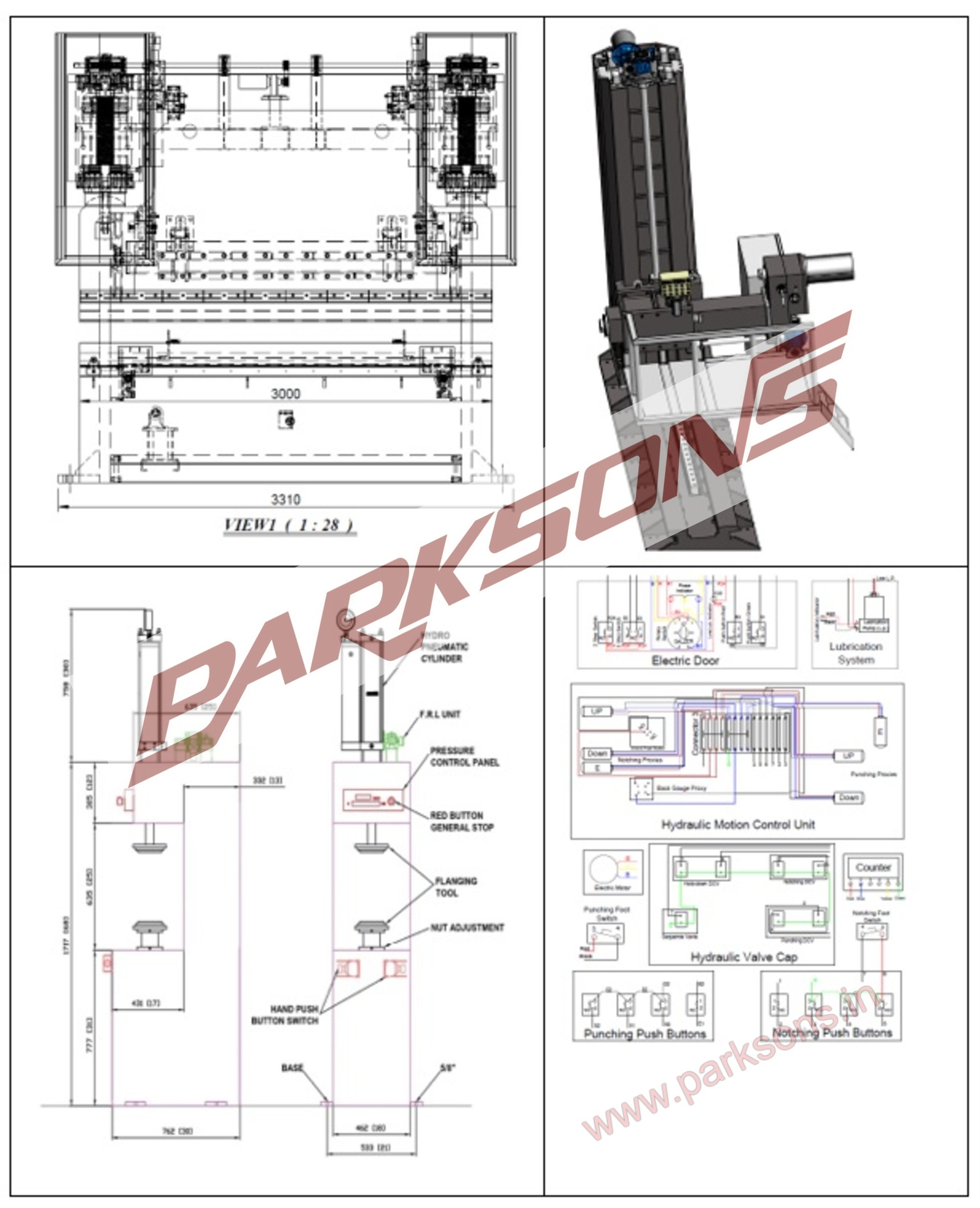
The Need for Engineering
Engineered solutions become necessary when requirements are shaped by:
-
Space or access limitations
-
Oversized, irregular, or heavy components
-
Uneven or high-duty operating cycles
-
Process-specific sequencing or handling constraints
In such cases, forcing a standard machine into service often creates long-term bottlenecks rather than capability. Instead, we focus on defining the functional requirement and ensuring the solution works in real operating conditions.
Our role typically involves:
- • Define the functional requirement based on real operating loads and use cases
- • Work with selected manufacturers to configure or customise machines appropriately
- • Ensure the solution integrates with workshop layout, handling, inspection, and long-term serviceability
Considering an Engineered Solution?
Start Here.
Considering an Engineered Solution?
Start Here.
These five basics are usually enough to determine whether an engineered solution is appropriate.
-
1 What is limiting you today?
(Space, handling, accuracy, safety, or cycle time)
-
2 What kind of components are involved?
(Oversized, heavy or difficult-to-handle parts)
-
3 How demanding is the duty cycle?
(Occasional use vs repetitive or high-load operation)
-
4 Where does this operation sit in the workflow?
(Standalone task or part of a larger process)
-
5 What are the practical constraints?
(Space, power, foundations, budget band)
Next Step
If your requirement does not sit comfortably within a standard machine category, an early discussion often avoids costly workarounds later.
Drawings, notes, photos, sketches, or even a problem description are enough to begin.